Smart Irrigation Systems: How to Save Up to 40% Water
In the face of growing water scarcity, efficient irrigation is becoming not just a task, but a strategic necessity for every farm. Modern smart irrigation systems, based on sensor data and weather forecasts, allow not only to preserve the harvest but also to significantly reduce costs.
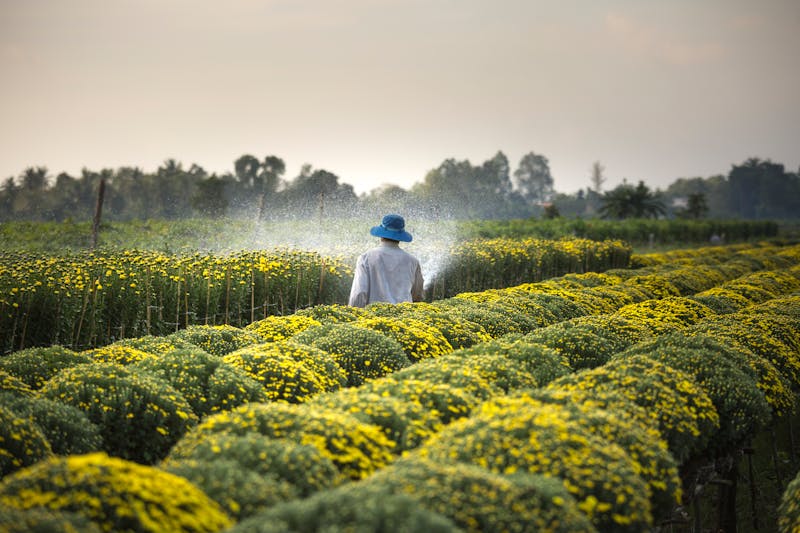
Automated drip irrigation ensures precise delivery of moisture to plant roots.
How Does It Work?
The system is based on a network of sensors installed in the soil at different depths. They measure humidity, temperature, and electrical conductivity in real time. This data is transmitted to a central controller, which analyzes it together with precipitation forecasts, solar radiation levels, and crop type.
The algorithm makes a decision: when, how much, and exactly where to irrigate. The system can manage different irrigation zones independently, taking into account the specifics of each part of the field.
Key Benefits
- Water savings up to 40%: Irrigation occurs only when the plant truly needs it and in the strictly necessary volume.
- Yield increase of 15-25%: Optimal water regime reduces plant stress, promoting uniform development.
- Disease prevention: Overwatering is eliminated, which is the main cause of fungal root system diseases.
- Remote control: The entire process is controlled from a smartphone or computer from anywhere in the world.
Control over the irrigation of the entire farm from a mobile device.
Where to Start Implementation?
Implementing "smart" irrigation does not require a complete replacement of existing infrastructure. You can start with a pilot project on one plot. Our specialists conduct an audit, select equipment, and configure the system for the specific crops and soil conditions of your farm.
Investments typically pay off within 2-3 seasons through savings on water, electricity, and increased product output.
Ready to take a step towards efficient and technological farming? Contact us for a consultation and project calculation for your farm.