Automatic Irrigation: How Smart Systems Save Water and Increase Yield
In the context of a changing climate and growing water scarcity, efficient irrigation management becomes a key success factor for any farm. Outdated irrigation methods often lead to water overuse, soil waterlogging, and, as a result, reduced yields.
Modern automatic irrigation systems, based on data from soil moisture sensors and weather stations, allow water to be delivered precisely when and in the amount needed. This not only saves up to 40% of water resources but also creates optimal conditions for crop growth.
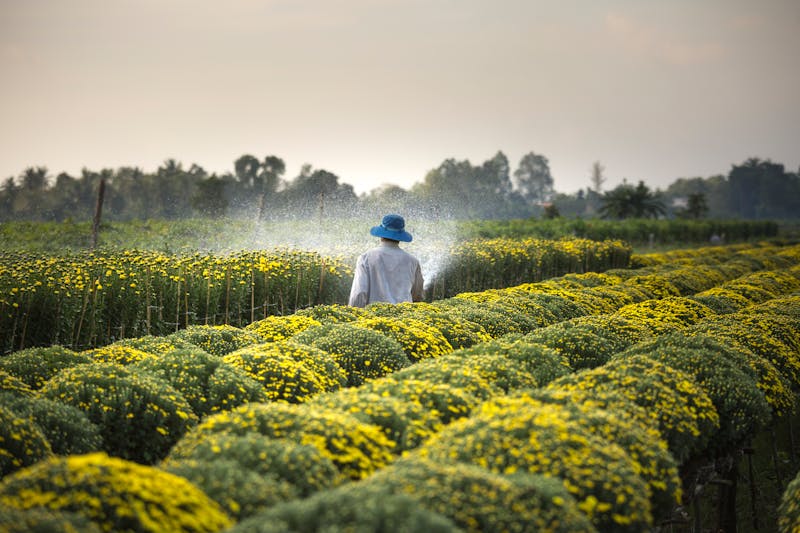
Drip irrigation system in a greenhouse with tomatoes.
Key Components of a Smart System
- Soil Sensors: measure moisture at different depths, transmitting data to a central controller.
- Weather Stations: track air temperature, humidity, wind speed, and precipitation probability, adjusting the irrigation schedule.
- Programmable Controllers: the "brain" of the system, which analyzes incoming data and controls the valves.
- Drip Tapes or Sprinklers: water delivery systems directly to the plant root zone.
Implementing such a system at the "Zarya" farm in the Rostov region not only stabilized potato yields during the dry season but also reduced electricity and maintenance costs. The investment paid off in two seasons.
Practical Steps for Implementation
You can start small — install sensors on one problematic area and connect a simple programmable timer. Analyzing the data received over a season will provide a clear understanding of the potential and help plan scaling the system to all fields.
The main thing to remember is that irrigation automation is not just a replacement for human labor, but a transition to precise, data-driven agriculture, where every decision is backed by numbers.